

Beginner’s Guide to Lift Kits and Wheel Fitment
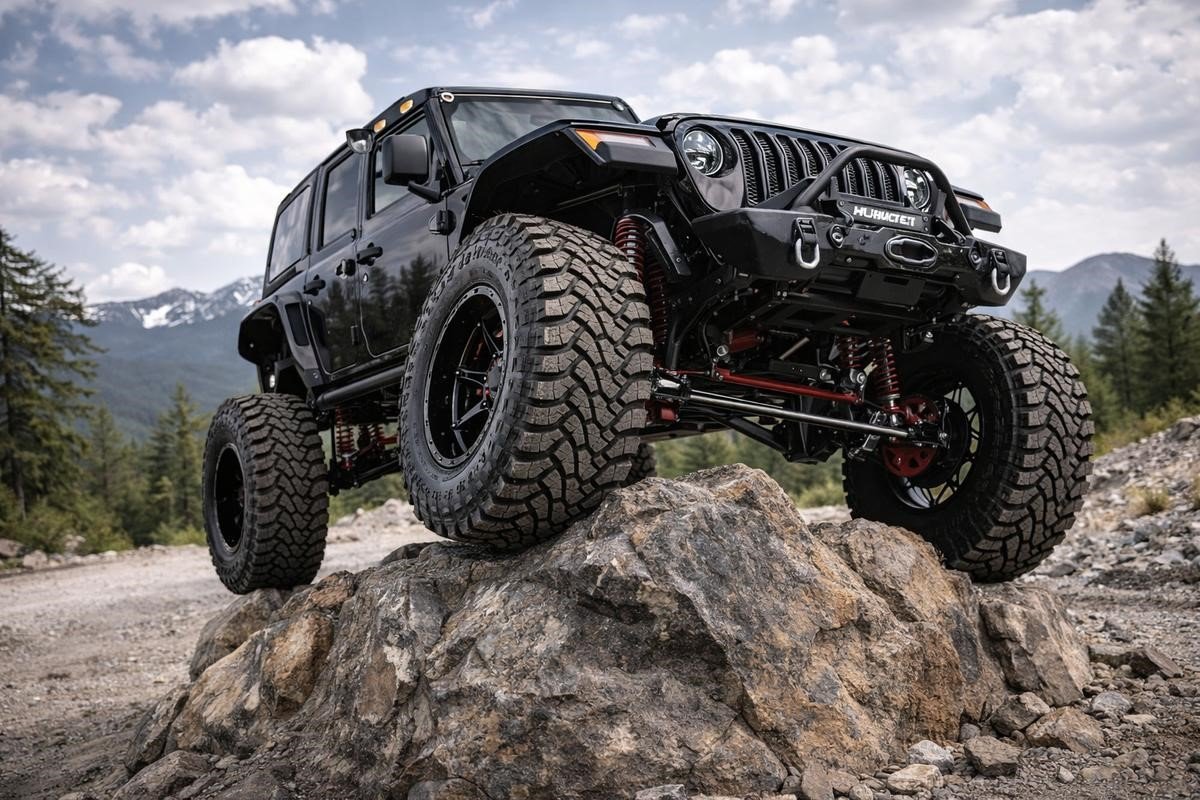
Bigger tires are one of the most popular upgrades for a 4×4. They can improve ground clearance beneath the axles, provide better traction in certain off-road conditions and give your vehicle a more capable appearance.
But installing larger tires is not as simple as choosing a size and mounting them. The wrong combination of tires, wheels and suspension can cause rubbing, poor handling, increased wear and unnecessary expenses.
In this guide, we explain tire sizes, suspension lifts, body lifts, wheel offset and the effects of larger tires, helping you make an informed decision before upgrading your vehicle.
1. What Do 33-Inch, 35-Inch and 37-Inch Tires Mean?
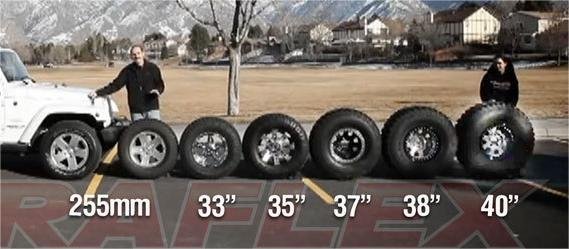
When off-road enthusiasts talk about 33-inch, 35-inch or 37-inch tires, they are referring to the approximate outside diameter of the tire.
- 33-inch tires: approximately 838 mm in diameter.
- 35-inch tires: approximately 889 mm in diameter.
- 37-inch tires: approximately 940 mm in diameter.
Larger tires can increase the distance between the ground and the vehicle’s axles and differentials. This is particularly useful when driving over rocks, ruts and uneven mountain trails.
However, the increase in ground clearance is smaller than the increase in tire diameter.
For example, moving from a 33-inch tire to a 35-inch tire theoretically adds approximately 1 inch (25.4 mm) of clearance beneath the axle, assuming the actual tire diameters match their nominal sizes.
How to read a tire size
Consider a tire marked 285/70 R17:
- 285 — tire width in millimeters.
- 70 — sidewall height as a percentage of the tire width.
- R — radial tire construction.
- 17 — wheel diameter in inches.
The approximate outside diameter is calculated by adding the wheel diameter to twice the sidewall height.
For a 285/70 R17 tire, the nominal diameter is approximately 831 mm, or 32.7 inches.
Actual dimensions can vary between tire manufacturers and models, so always check the manufacturer’s specifications when planning a modification.
2. How Much Suspension Lift Do You Need?
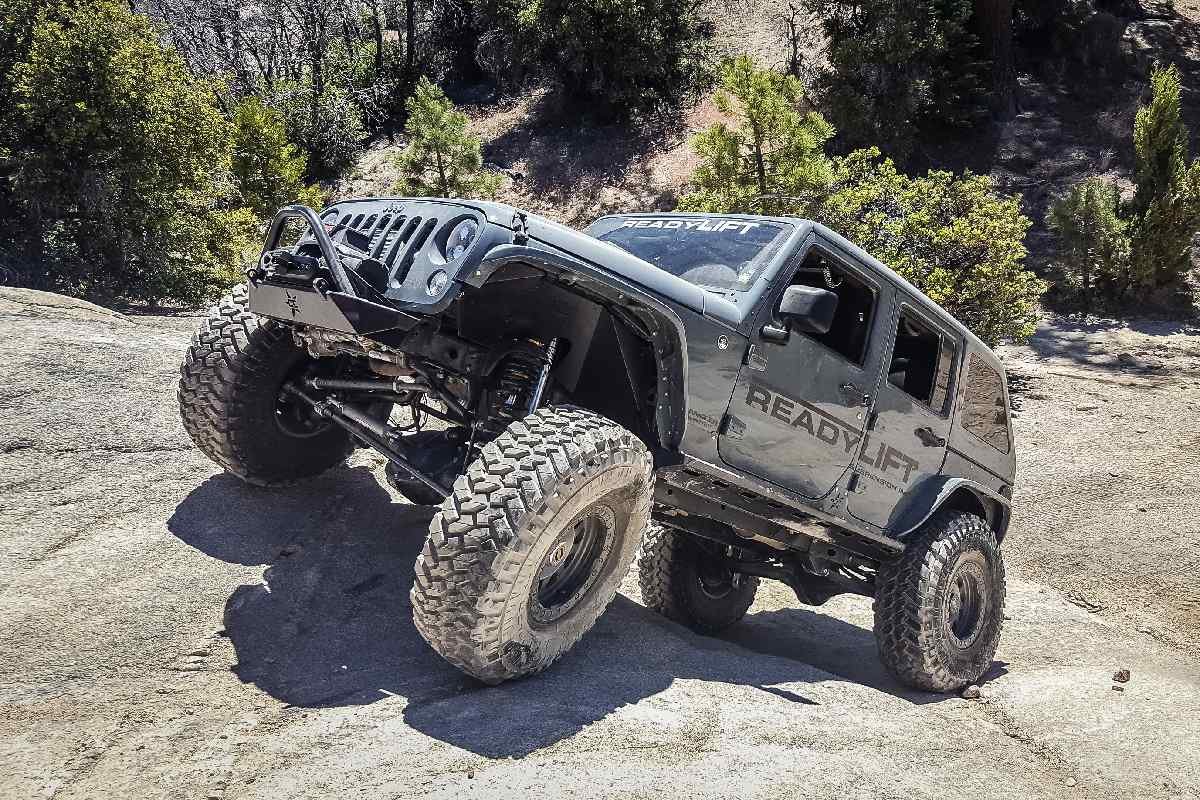
A suspension lift raises the chassis relative to the axles by changing or modifying suspension components. Depending on the vehicle and kit, this may involve springs, shock absorbers, control arms, brackets and other components.
Common lift heights include:
- Around 2 inches: a moderate upgrade often chosen for a balance between everyday driving and off-road use.
- Around 3 inches: provides additional height but may require further suspension adjustments, depending on the vehicle.
- Around 4 inches or more: generally requires more careful planning, including steering geometry, driveline angles and supporting modifications.
These are general examples, not universal tire-fitment rules. A 2-inch lift does not automatically mean that 33-inch or 35-inch tires will fit without rubbing.
Tire clearance also depends on wheel width, wheel offset, tire width, fender shape and how far the suspension compresses.
Important: Choose a lift kit for your exact vehicle and intended use, not simply for the tire size you want to install.
Before choosing a kit, explore our 4×4 lift kits and suspension systems. Always confirm compatibility with your vehicle’s model year, trim and existing modifications.
3. Suspension Lift vs. Body Lift: What Is the Difference?
These two modifications are often confused, but they serve different purposes.
Suspension lift
A suspension lift changes the suspension system to increase the distance between the chassis and the axles.
Potential benefits include:
- More space for larger tires, depending on the vehicle and setup.
- Improved approach and departure angles when supported by the complete vehicle configuration.
- Greater off-road capability when the suspension components are correctly matched to the vehicle and terrain.
However, a suspension lift can also change steering geometry, driveline angles and suspension behavior. Incorrectly selected or installed components may cause premature wear and handling problems.
Body lift
A body lift raises the body relative to the chassis using spacers or other vehicle-specific components.
Its main purpose is to create additional space between the body and the chassis-mounted structure, which may help with tire clearance on certain vehicles.
However, a body lift does not raise the axles or differentials off the ground. It does not increase suspension travel or provide additional clearance beneath the axles.
For vehicles with torsion-bar front suspension, such as certain Mitsubishi Pajero generations, front ride height may be adjusted through the torsion bars. This is not the same as a body lift, and the correct adjustment method and limits depend on the specific suspension design.
A body lift and a suspension lift can sometimes be combined, but compatibility must be checked carefully, including steering shafts, hoses, brackets and other components.
An important disadvantage of a body lift: Although a body lift can be a practical solution for gaining tire clearance, it is not always the best choice for demanding mountain terrain. In Armenia, where narrow trails, steep side slopes and uneven rocky surfaces are common, maintaining a low center of gravity is important for vehicle stability. A body lift raises the body relative to the chassis, potentially increasing the body’s center of gravity, while providing no additional suspension travel or ground clearance beneath the axles. The actual effect on stability depends on the vehicle’s design and the height of the lift, but for serious mountain off-roading, a properly engineered suspension setup is generally worth considering instead of relying on a body lift alone.
4. Why Wheel Width and Offset Matter
Even with the correct tire size and lift kit, the wrong wheels can create fitment problems.
Three specifications are particularly important: wheel width, offset and mounting compatibility.
Wheel width
Wheel width affects how the tire sits on the wheel and can influence clearance.
Tire manufacturers specify an approved wheel-width range for each tire size. Using a wheel that is too narrow or too wide for the tire is not an appropriate solution to a clearance problem.
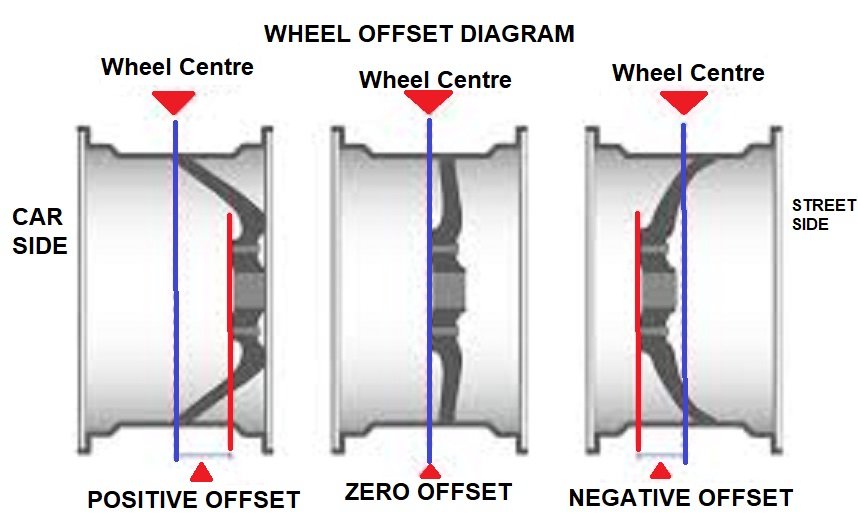
Wheel offset (ET)
Offset is the distance between the wheel’s mounting surface and its centerline.
- Positive offset: the mounting surface is closer to the outer face of the wheel, generally positioning the wheel farther inward.
- Zero offset: the mounting surface aligns with the wheel’s centerline.
- Negative offset: the mounting surface is positioned toward the inner side of the wheel, generally moving the wheel farther outward.
Moving a wheel outward can sometimes improve clearance between the tire and suspension components. However, it can also cause the tire to contact the fender, increase steering kickback and place additional loads on wheel bearings and other components.
Negative offset is not automatically better for off-roading.
For a more detailed explanation, read our guide: What Is Wheel Offset — and Why Does Everyone Talk About Negative Offset?.
PCD and center bore
Two additional specifications must be checked before buying wheels:
- PCD (Pitch Circle Diameter): the bolt pattern, such as 6×139.7.
- Center bore (CB): the diameter of the wheel’s center hole.
Both must be compatible with the vehicle or with a properly engineered fitment solution. Matching the bolt pattern alone does not guarantee safe installation.
Also check the wheel’s load rating and clearance around the brakes.
What about beadlock wheels?
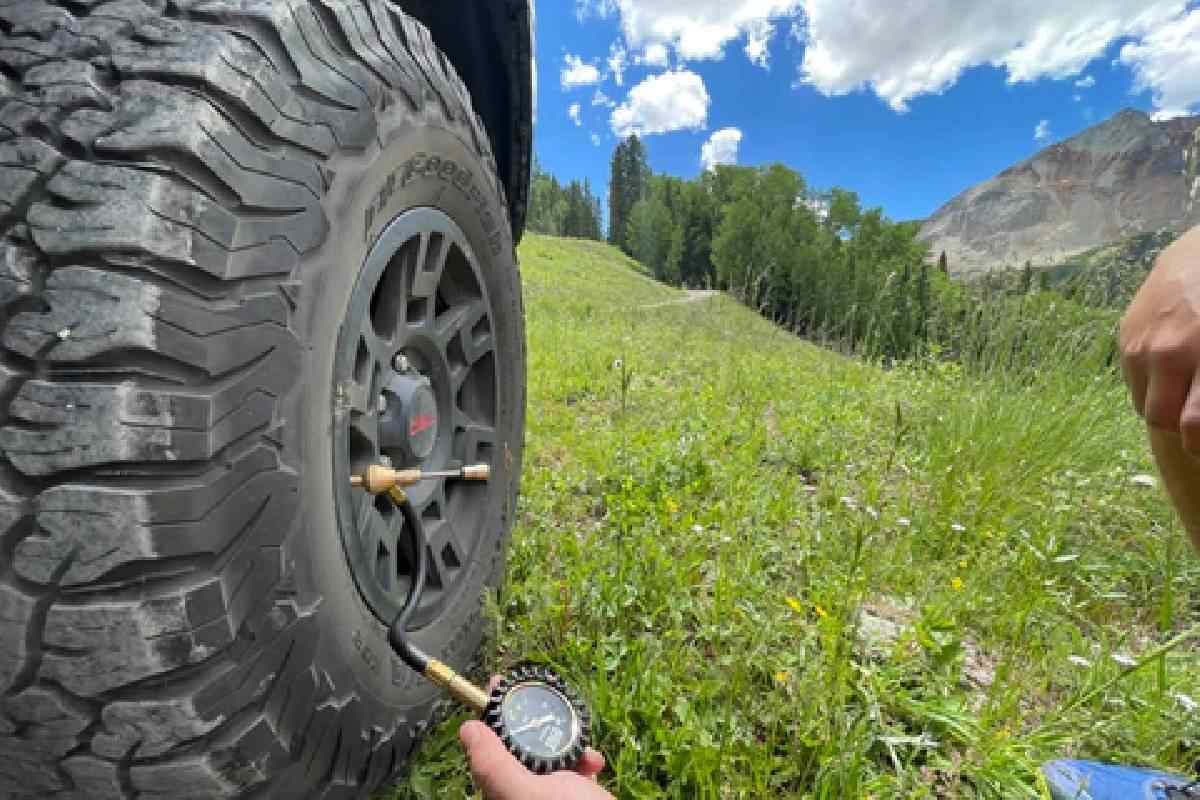
When driving on rocky trails or sand, some off-road drivers reduce tire pressure to improve traction. At low pressures, the tire bead can become more vulnerable to slipping off the wheel under certain conditions.
Beadlock wheels mechanically secure the tire bead to the wheel, helping retain it at low pressures when used correctly.
They are not necessary for every off-road vehicle, and they come with additional considerations, including maintenance, wheel quality and applicable road-use regulations.
Learn more in our article: Beadlock Wheels for Off-Roading: Everything You Need to Know.
You can also browse our off-road wheels and tires to explore available options. Check the exact specifications and vehicle compatibility before purchasing.
5. What Happens When You Install Bigger Tires?
Larger tires can improve off-road performance, but they also change how your vehicle drives.
Acceleration and gearing
A larger tire has a greater rolling circumference. With the same differential gear ratios, the engine generally needs to produce more torque at the wheel to achieve the same tractive force.
The result can be slower acceleration and additional strain on the drivetrain.
On some vehicles, changing the differential gear ratios can help restore more suitable gearing after a significant increase in tire diameter.
This modification is known as differential re-gearing.
Whether it is necessary depends on the original gearing, new tire diameter, engine and transmission, and intended use.
Read our guide: Differential Re-Gearing Explained: A Simple Guide for 4×4 Owners.
For example, a Toyota owner moving to significantly larger tires may need to investigate axle gearing rather than assuming that a suspension lift alone will solve every problem.
Fuel consumption
Larger tires are often heavier and can have greater rolling resistance. Tire type, tread pattern, aerodynamic drag and driving conditions also affect fuel consumption.
Fuel consumption may increase, but the exact change depends on the vehicle and setup.
Braking and steering
Bigger, heavier tires can increase rotational inertia and place additional demands on the braking system. They may also affect steering effort, suspension loads and handling.
Do not assume that the factory braking system will perform exactly as it did with the original tire size.
Speedometer accuracy
A tire with a larger actual diameter travels farther per revolution. Consequently, the speedometer and odometer may no longer provide accurate readings.
Suspension and drivetrain wear
Changes in tire weight, diameter and wheel offset can increase loads on wheel bearings, steering components, axles and other parts.
Correct wheel specifications, suitable suspension components and proper alignment help reduce avoidable problems.
6. Practical Examples: Toyota, Nissan and Jeep
Every vehicle generation and configuration is different. The following examples explain what to investigate rather than guaranteeing that a particular tire size will fit.
Toyota Land Cruiser 70 / 80 Series
Owners considering 35-inch or 37-inch tires should evaluate suspension height, wheel width and offset, fender clearance, steering lock and axle gearing.
More demanding builds may require additional modifications. A lift alone does not guarantee that the tires will clear the body during full suspension compression.
Toyota 4Runner
The correct setup depends on the generation, drivetrain, existing suspension and whether the vehicle has KDSS or other relevant factory equipment.
Before selecting a lift kit, verify compatibility and check how the intended wheel and tire combination affects clearance at full steering lock.
Nissan Patrol Y60 and Y61
These vehicles are popular platforms for larger-tire builds. However, axle configuration, suspension type, wheel specifications and intended use all affect the final setup.
A Patrol designed for technical mountain trails may need a different combination of tires, gearing and suspension components from one used mainly for daily driving.
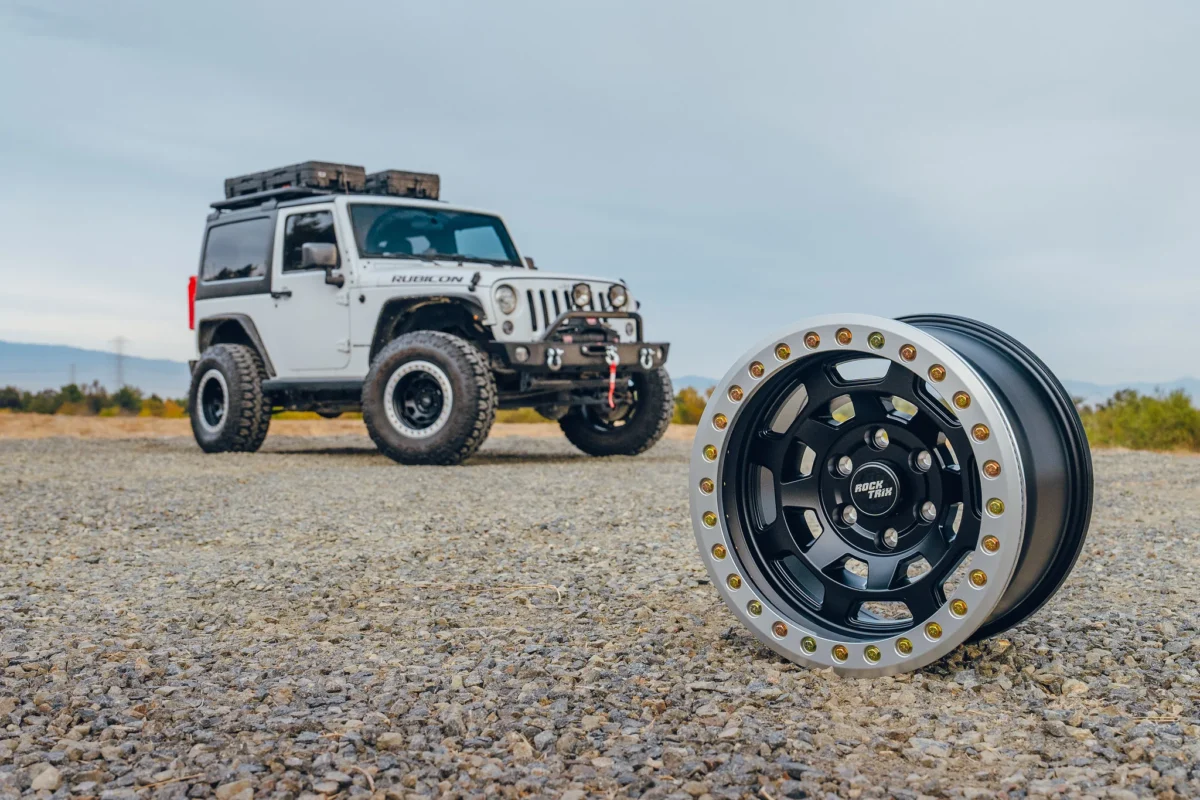
Jeep Wrangler
When selecting larger tires, check suspension compatibility, wheel offset, fender clearance, steering lock and vehicle load.
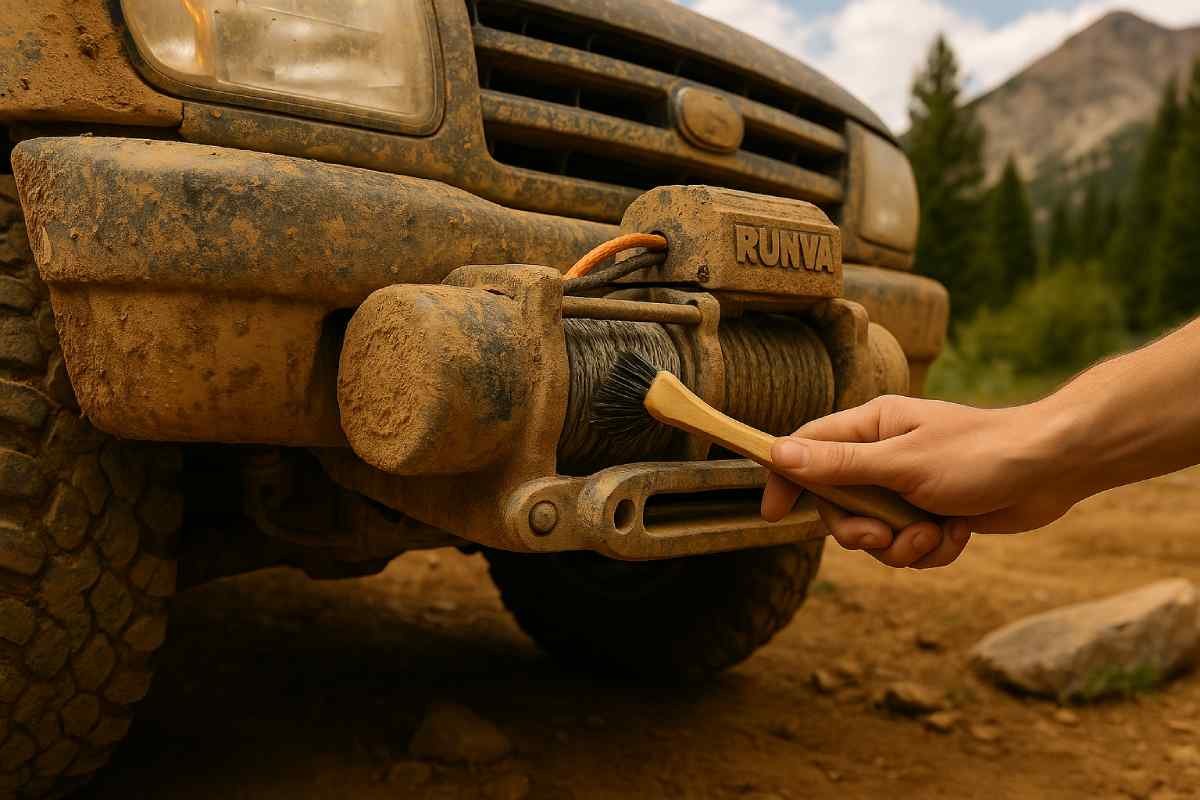
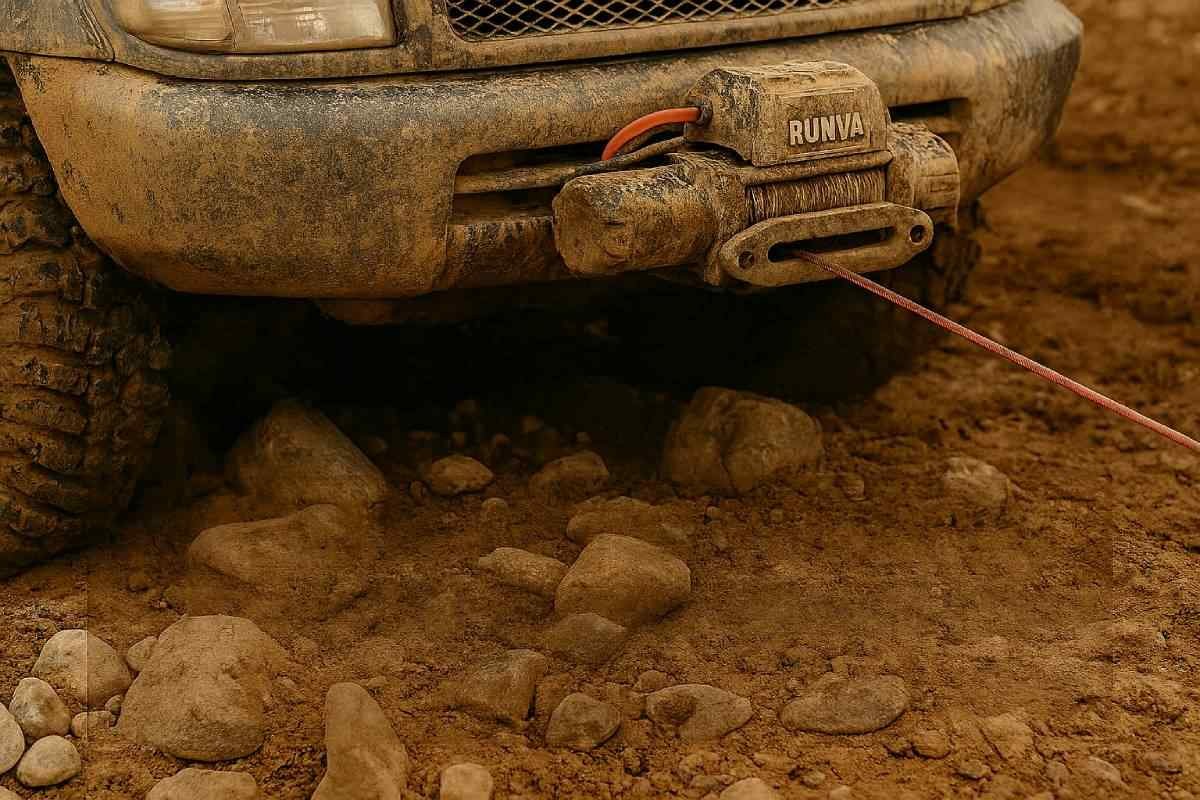
If your Wrangler has a roof rack, roof tent, heavy bumpers, a winch or other added equipment, account for the additional weight when choosing suspension components.
For every vehicle, confirm fitment using the exact model year, trim and current modifications.
7. Checklist Before Buying Tires or a Lift Kit
Before ordering parts, gather the following information:
- Vehicle make, model, year and trim.
- Current tire size and intended replacement size.
- Current suspension setup and lift height, if any.
- Wheel diameter and width.
- Wheel offset (ET).
- Bolt pattern (PCD) and center bore (CB).
- Tire clearance at full steering lock and during suspension compression.
- Intended use: daily driving, mountain trails, mud, rocks or overlanding.
- Additional weight from bumpers, winches, roof racks and camping equipment.
- Whether gearing, alignment, braking or other components may need attention.
If possible, check a similar vehicle with the same suspension and wheel specifications before purchasing.
Conclusion: Choose the Complete Setup, Not Just Bigger Tires
Larger tires can make a 4×4 more capable, but the best setup is not necessarily the biggest one that can be installed.
Consider the complete combination of tires, wheels, suspension, gearing and intended use. A well-matched setup can deliver useful ground clearance and off-road performance while preserving everyday drivability as much as possible.
Need Help Choosing the Right Setup for Your 4×4?
Before purchasing tires, wheels or a suspension lift kit, contact Offroad Zone Armenia.
Send us your vehicle model, year, current tire size and the size you want to install. We can help you identify the specifications and compatibility requirements that need to be checked for your build.
Offroad Zone Armenia
Website: https://offroadzone.am/
Phone / WhatsApp: +374 95 222 515